When considering eyebag removal, many patients in Singapore assume that all signs of tired eyes come from the same issue. In reality, what appears as “eyebags” may stem from fat protrusion, loose skin, or even muscle weakness. Choosing the wrong treatment can lead to unsatisfactory results, which is why understanding the difference between eyebag removal, upper eyelid lift, and ptosis surgery is essential.
At A.D.S Clinic, every treatment begins with a detailed assessment. Rather than applying a one-size-fits-all approach, the focus is on identifying the true cause of the concern and delivering results that are gracefully refined and naturally you.
Why Many Patients Misidentify Eye Ageing Concerns
The “tired eyes” problem is not always eyebags
Patients often describe looking tired or aged, assuming eyebags are the cause. However, this appearance can also result from drooping upper eyelids or weakened eyelid muscles. Without proper diagnosis, undergoing eyebag removal alone may not address the root issue.
Overlapping symptoms that cause confusion
Eye concerns often present similarly:
- Puffiness under the eyes
- Shadowing or dark circles
- Loose or sagging skin
These overlapping symptoms make it difficult for patients to distinguish between eyebag surgery, upper eyelid lift, and ptosis surgery.
Why choosing the wrong treatment leads to poor results
If a patient with droopy eyelids undergoes only eyebag removal, the heaviness in the upper eye area remains. Similarly, performing an upper eyelid lift will not resolve fat protrusion beneath the eyes. Accurate diagnosis is critical to achieving balanced, natural outcomes.
Eyebag Removal vs Eyebag Surgery What It Actually Treats
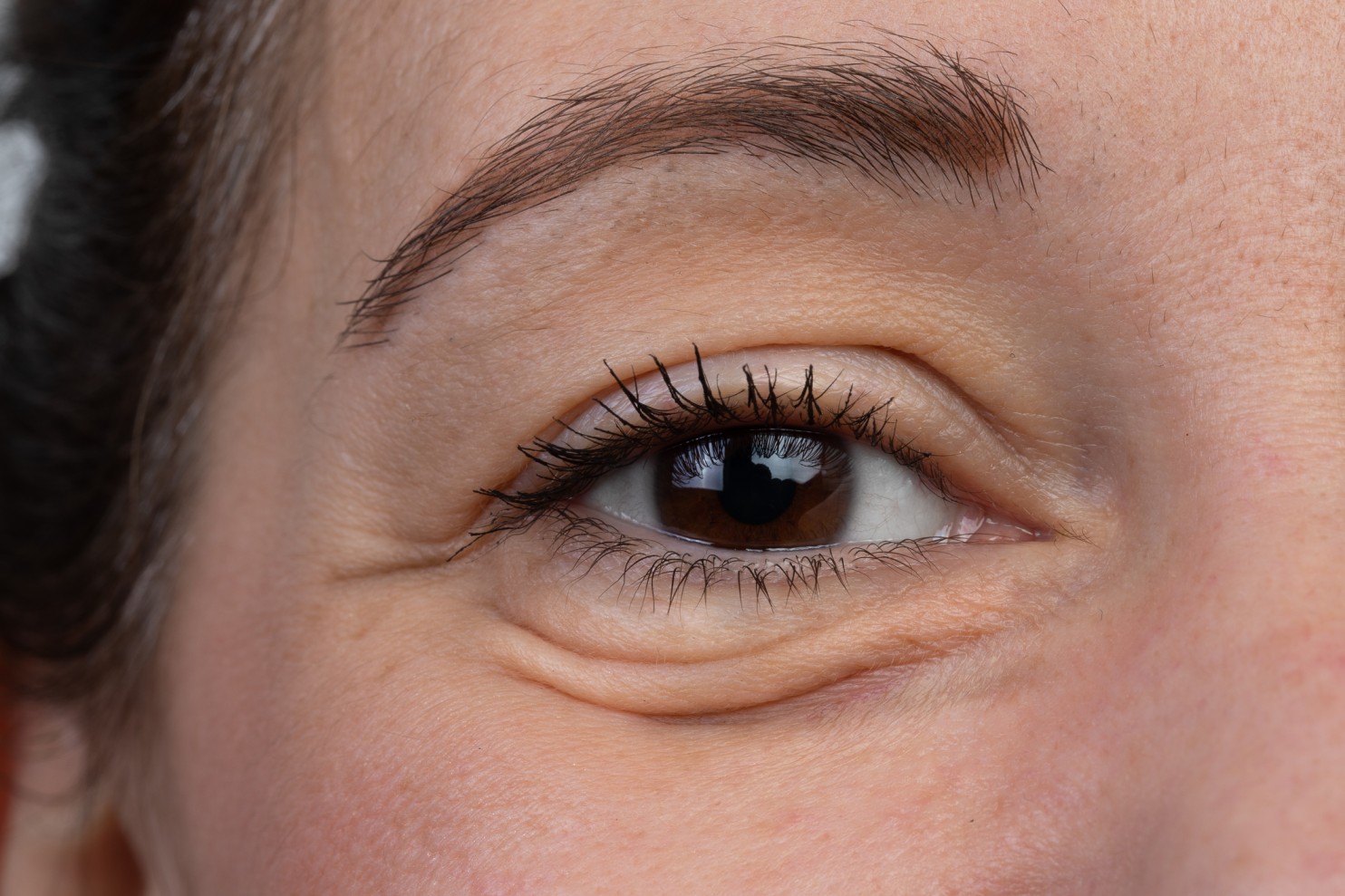
Fat protrusion under the eyes
Eyebag removal, also known as eyebag surgery, targets fat pads that bulge beneath the lower eyelids. These fat deposits can become more prominent with age or may be genetic.
Skin laxity and tear trough interaction
Not all eyebags are purely fat-related. In some patients, loose skin or volume loss contributes to the appearance of under-eye hollows. This is where treatment planning becomes more nuanced.
When eyebag surgery is the right solution
Eyebag surgery is typically recommended when:
- Puffiness persists regardless of rest
- There is visible fat protrusion
- The concern is structural rather than temporary
For more detailed insights into how facial structure influences treatment decisions, you can explore this guide on buccal fat removal vs cheek fat removal which explains how doctors assess facial volume holistically.
Upper Eyelid Lift What It Corrects
Excess skin on the upper eyelid
An upper eyelid lift addresses loose or sagging skin that creates a hooded appearance. This can make the eyes look smaller and more fatigued.
Functional vs aesthetic concerns
Beyond aesthetics, excess eyelid skin can obstruct vision in more advanced cases. Patients often report a heavy sensation in the upper eyelids.
When upper eyelid lift is recommended instead of eyebag removal
If the concern lies in the upper eyelid rather than the lower eye area, an upper eyelid lift is more appropriate than eyebag removal.
Ptosis Surgery Understanding Muscle Weakness
What ptosis actually is
Ptosis occurs when the levator muscle responsible for lifting the eyelid becomes weak. This causes the eyelid to droop, sometimes affecting vision.
Signs patients often miss
Common indicators include:
- Uneven eyelid height
- Difficulty keeping eyes open
- Raising the eyebrows subconsciously
Why ptosis surgery is different from eyelid lift
While an upper eyelid lift removes excess skin, ptosis surgery corrects the underlying muscle. Treating ptosis as a cosmetic issue alone may lead to incomplete results.
How Doctors Assess Whether You Need Eyebag Removal or Other Procedures
Step 1 – Identify fat vs skin vs muscle issue
The first step is determining whether the concern is caused by fat protrusion, skin laxity, or muscle weakness. This defines whether eyebag removal, upper eyelid lift, or ptosis surgery is required.
Step 2 – Evaluate symmetry
Doctors assess both eyes for balance. Subtle asymmetry can influence the choice of treatment.
Step 3 – Check eyebrow compensation
Some patients unconsciously raise their eyebrows to compensate for droopy eyelids. This can mask underlying ptosis.
Step 4 – Assess ageing patterns
Ageing affects volume, skin elasticity, and muscle tone differently. A tailored approach ensures results remain natural over time.
Step 5 – Understand patient goals
Whether the goal is subtle rejuvenation or more defined correction, treatment must align with expectations while maintaining harmony.
Eyebag Removal vs Non-Surgical Options Like Juvelook
When juvelook is suitable
Juvelook is often used for mild under-eye hollowness or early ageing. It helps improve skin quality and volume subtly.
Limitations of non-surgical treatments
While effective for certain concerns, juvelook cannot remove fat or correct structural issues. Patients requiring eyebag surgery may not achieve optimal results with injectables alone.
When surgery is more appropriate
For prominent fat protrusion or significant skin laxity, eyebag removal offers a more definitive and long-lasting solution.
Quick Decision Guide for Patients
| Concern | Recommended Treatment |
| Puffy lower eyelids | Eyebag removal |
| Loose upper eyelid skin | Upper eyelid lift |
| Droopy eyelid affecting vision | Ptosis surgery |
| Mild under-eye hollowness | Juvelook |
| Skin laxity around eyes | Morpheus8 |
Common Mistakes Patients Make When Choosing Eye Treatments
Assuming all eye ageing is due to eyebags
Many patients request eyebag removal when the issue lies in the upper eyelid or muscle structure.
Choosing based on trends or price
Selecting treatment based on popularity rather than diagnosis often leads to suboptimal outcomes.
Ignoring functional symptoms
Conditions like ptosis may affect vision and should not be treated as purely cosmetic concerns.
A Specialist-Led Approach to Eye Rejuvenation
Why diagnosis matters more than treatment
The most important step is identifying the root cause. Without this, even well-performed procedures may not deliver the desired result.
Personalised treatment planning
At A.D.S Clinic, every patient undergoes a thorough consultation. Doctors assess facial structure, eye dynamics, and ageing patterns before recommending treatment.
Natural-looking outcomes as the priority
The goal is not to change how you look, but to refine and enhance your natural features with precision and care.
Seeing Clearly Starts With the Right Diagnosis
Eye rejuvenation is not about choosing the most popular treatment, but about understanding what your eyes truly need. While eyebag removal is highly effective for the right candidates, it must be carefully assessed alongside other procedures such as upper eyelid lift and ptosis surgery.
At A.D.S Clinic, the focus is on thoughtful evaluation, expert guidance, and delivering results that restore confidence while preserving your natural identity.
When considering eyebag removal, many patients in Singapore assume that all signs of tired eyes come from the same issue. In reality, what appears as “eyebags” may stem from fat protrusion, loose skin, or even muscle weakness. Choosing the wrong treatment can lead to unsatisfactory results, which is why understanding the difference between eyebag removal, upper eyelid lift, and ptosis surgery is essential.
At A.D.S Clinic, every treatment begins with a detailed assessment. Rather than applying a one-size-fits-all approach, the focus is on identifying the true cause of the concern and delivering results that are gracefully refined and naturally you.
Why Many Patients Misidentify Eye Ageing Concerns
The “tired eyes” problem is not always eyebags
Patients often describe looking tired or aged, assuming eyebags are the cause. However, this appearance can also result from drooping upper eyelids or weakened eyelid muscles. Without proper diagnosis, undergoing eyebag removal alone may not address the root issue.
Overlapping symptoms that cause confusion
Eye concerns often present similarly:
- Puffiness under the eyes
- Shadowing or dark circles
- Loose or sagging skin
These overlapping symptoms make it difficult for patients to distinguish between eyebag surgery, upper eyelid lift, and ptosis surgery.
Why choosing the wrong treatment leads to poor results
If a patient with droopy eyelids undergoes only eyebag removal, the heaviness in the upper eye area remains. Similarly, performing an upper eyelid lift will not resolve fat protrusion beneath the eyes. Accurate diagnosis is critical to achieving balanced, natural outcomes.
Eyebag Removal vs Eyebag Surgery What It Actually Treats
Fat protrusion under the eyes
Eyebag removal, also known as eyebag surgery, targets fat pads that bulge beneath the lower eyelids. These fat deposits can become more prominent with age or may be genetic.
Skin laxity and tear trough interaction
Not all eyebags are purely fat-related. In some patients, loose skin or volume loss contributes to the appearance of under-eye hollows. This is where treatment planning becomes more nuanced.
When eyebag surgery is the right solution
Eyebag surgery is typically recommended when:
- Puffiness persists regardless of rest
- There is visible fat protrusion
- The concern is structural rather than temporary
For more detailed insights into how facial structure influences treatment decisions, you can explore this guide on buccal fat removal vs cheek fat removal which explains how doctors assess facial volume holistically.
Upper Eyelid Lift What It Corrects
Excess skin on the upper eyelid
An upper eyelid lift addresses loose or sagging skin that creates a hooded appearance. This can make the eyes look smaller and more fatigued.
Functional vs aesthetic concerns
Beyond aesthetics, excess eyelid skin can obstruct vision in more advanced cases. Patients often report a heavy sensation in the upper eyelids.
When upper eyelid lift is recommended instead of eyebag removal
If the concern lies in the upper eyelid rather than the lower eye area, an upper eyelid lift is more appropriate than eyebag removal.
Ptosis Surgery Understanding Muscle Weakness
What ptosis actually is
Ptosis occurs when the levator muscle responsible for lifting the eyelid becomes weak. This causes the eyelid to droop, sometimes affecting vision.
Signs patients often miss
Common indicators include:
- Uneven eyelid height
- Difficulty keeping eyes open
- Raising the eyebrows subconsciously
Why ptosis surgery is different from eyelid lift
While an upper eyelid lift removes excess skin, ptosis surgery corrects the underlying muscle. Treating ptosis as a cosmetic issue alone may lead to incomplete results.
How Doctors Assess Whether You Need Eyebag Removal or Other Procedures
Step 1 – Identify fat vs skin vs muscle issue
The first step is determining whether the concern is caused by fat protrusion, skin laxity, or muscle weakness. This defines whether eyebag removal, upper eyelid lift, or ptosis surgery is required.
Step 2 – Evaluate symmetry
Doctors assess both eyes for balance. Subtle asymmetry can influence the choice of treatment.
Step 3 – Check eyebrow compensation
Some patients unconsciously raise their eyebrows to compensate for droopy eyelids. This can mask underlying ptosis.
Step 4 – Assess ageing patterns
Ageing affects volume, skin elasticity, and muscle tone differently. A tailored approach ensures results remain natural over time.
Step 5 – Understand patient goals
Whether the goal is subtle rejuvenation or more defined correction, treatment must align with expectations while maintaining harmony.
Eyebag Removal vs Non-Surgical Options Like Juvelook
When juvelook is suitable
Juvelook is often used for mild under-eye hollowness or early ageing. It helps improve skin quality and volume subtly.
Limitations of non-surgical treatments
While effective for certain concerns, juvelook cannot remove fat or correct structural issues. Patients requiring eyebag surgery may not achieve optimal results with injectables alone.
When surgery is more appropriate
For prominent fat protrusion or significant skin laxity, eyebag removal offers a more definitive and long-lasting solution.
Quick Decision Guide for Patients
| Concern | Recommended Treatment |
| Puffy lower eyelids | Eyebag removal |
| Loose upper eyelid skin | Upper eyelid lift |
| Droopy eyelid affecting vision | Ptosis surgery |
| Mild under-eye hollowness | Juvelook |
| Skin laxity around eyes | Morpheus8 |
Common Mistakes Patients Make When Choosing Eye Treatments
Assuming all eye ageing is due to eyebags
Many patients request eyebag removal when the issue lies in the upper eyelid or muscle structure.
Choosing based on trends or price
Selecting treatment based on popularity rather than diagnosis often leads to suboptimal outcomes.
Ignoring functional symptoms
Conditions like ptosis may affect vision and should not be treated as purely cosmetic concerns.
A Specialist-Led Approach to Eye Rejuvenation
Why diagnosis matters more than treatment
The most important step is identifying the root cause. Without this, even well-performed procedures may not deliver the desired result.
Personalised treatment planning
At A.D.S Clinic, every patient undergoes a thorough consultation. Doctors assess facial structure, eye dynamics, and ageing patterns before recommending treatment.
Natural-looking outcomes as the priority
The goal is not to change how you look, but to refine and enhance your natural features with precision and care.
Seeing Clearly Starts With the Right Diagnosis
Eye rejuvenation is not about choosing the most popular treatment, but about understanding what your eyes truly need. While eyebag removal is highly effective for the right candidates, it must be carefully assessed alongside other procedures such as upper eyelid lift and ptosis surgery.
At A.D.S Clinic, the focus is on thoughtful evaluation, expert guidance, and delivering results that restore confidence while preserving your natural identity.