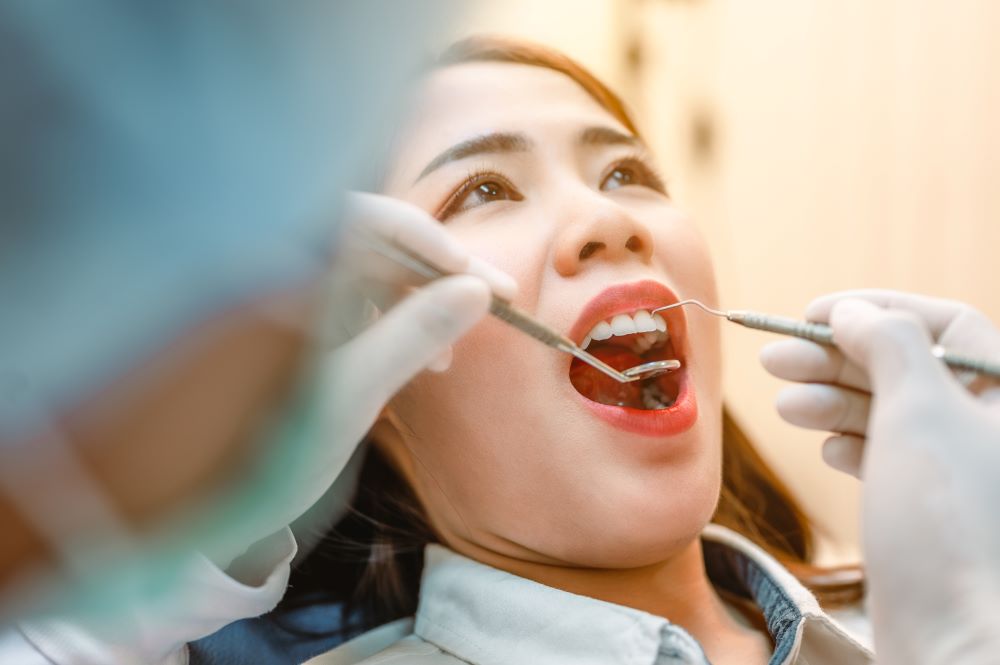

Many patients assume that maintaining excellent brushing and flossing habits is enough to ensure long-term dental implant success. While oral hygiene is certainly important, experienced doctors know that implant longevity depends on far more than keeping the teeth clean. Bite force, bone quality, jaw alignment, and overall structural balance all influence how well a dental implant performs over time.
At A.D.S Clinic, dental implant planning goes beyond simply replacing a missing tooth. Every treatment begins with a comprehensive assessment of function, bite stability, and long-term oral health to create results that feel natural, stable, and harmonious.
Why Good Oral Hygiene Alone Cannot Guarantee Dental Implant Success
Dental implants function differently from natural teeth
Natural teeth are supported by a periodontal ligament that helps absorb chewing pressure and minor movement. A dental implant, however, integrates directly with the jawbone and does not have this same cushioning effect. This means excessive force or imbalance may place additional stress on the implant structure over time.
Why chewing pressure matters more than many patients realise
Everyday activities such as chewing, clenching, and grinding generate repeated force across the teeth and jaw. If pressure is distributed unevenly, implants may experience overload in certain areas, increasing the risk of long-term complications.
Hidden causes of implant stress
Several factors can affect implant stability even in patients with excellent hygiene:
- Teeth grinding during sleep
- Bite imbalance
- Jaw tension
- Poor tooth alignment
These issues often develop gradually and may not become noticeable until discomfort or implant instability appears.
How Bone Integration Affects Dental Implant Longevity
What happens during implant integration
After placement, the implant undergoes a process called osseointegration, where the surrounding bone fuses with the implant surface. This creates the stability required for long-term function.
Why bone quality differs between patients
Not every patient has the same level of bone support. Bone density can be affected by:
- Age
- Previous tooth loss duration
- Gum condition
- Overall oral health
Patients who delay tooth replacement for many years may experience bone shrinkage that complicates implant placement.
Why delayed treatment increases structural challenges
When a missing tooth is left untreated, the surrounding bone gradually resorbs due to lack of stimulation. This may reduce the available support needed for a successful dental implant.
Why Crooked Teeth and Bite Alignment Affect Dental Implants
Uneven bite pressure can overload implants
One of the most overlooked causes of implant complications is bite imbalance. If surrounding teeth do not align properly, excessive pressure may be transferred onto the implant during chewing.
Why some patients need aligners before implants
Patients with crowded or shifted teeth may benefit from aligners before receiving implants. Correcting bite positioning first allows chewing pressure to be distributed more evenly after treatment.
Invisalign and dental braces in implant planning
Both invisalign and dental braces may be recommended before implant placement in certain cases. This helps create healthier spacing, improved bite mechanics, and better long-term support for the implant structure.
Why experienced doctors assess full-mouth balance
At A.D.S Clinic, implant planning involves evaluating the entire bite rather than focusing only on the missing tooth. Long-term function depends on how all teeth work together during movement and chewing.
Dental Implant vs Other Tooth Replacement Approaches
When implants are preferred for tooth replacement
Compared to removable solutions, tooth replacement with implants often provides:
- Greater chewing stability
- Improved comfort
- Better preservation of jawbone structure
This is why dental implants are widely considered one of the most durable long-term replacement options.
Why treatment planning differs between patients
No two implant cases are identical. Doctors evaluate:
- Bone support
- Gum health
- Bite force
- Existing restorations
before recommending treatment.
How veneers may influence bite mechanics
Cosmetic restorations such as veneers can also influence bite pressure if not planned carefully alongside implants. This is especially important in patients undergoing broader smile rehabilitation.
Patients considering cosmetic dental improvements may also find it useful to read Dental Veneers vs Teeth Whitening Which Is Better when exploring long-term aesthetic planning.
Why Some Dental Implants Fail Even Years Later
Bite force changes over time
The bite naturally changes with age due to:
- Teeth wear
- Grinding habits
- Minor tooth movement
- Jaw tension
These changes can gradually increase stress on a dental implant.
Gum inflammation around implants
Even with good cleaning habits, inflammation around implant tissue may still occur if excessive force or structural imbalance is present.
Why implant positioning matters long term
Implant angulation and placement depth influence how chewing force travels through the jawbone. Improper positioning may increase long-term stress on surrounding tissue.
Regular monitoring remains important
Routine follow-up assessments help identify early signs of overload, gum irritation, or bite imbalance before more significant complications develop.
Factors That Affect Dental Implant Longevity
| Factor | Why It Matters |
| Bone quality | Supports implant stability |
| Bite alignment | Reduces implant overload |
| Teeth grinding | Increases pressure on implants |
| Gum health | Helps maintain surrounding tissue |
| Invisalign or dental braces planning | Improves bite balance |
| Tooth replacement timing | Prevents bone shrinkage |
Why Some Patients Need Invisalign or Dental Braces Before Implants
Aligners help improve force distribution
Properly aligned teeth create more balanced chewing pressure, helping reduce unnecessary stress on implants.
Crowded teeth can complicate implant planning
Patients with severe crowding may have insufficient space for ideal implant placement. Correcting alignment first allows for more predictable results.
How invisalign improves long-term implant support
For suitable patients, invisalign may improve overall bite mechanics while maintaining a discreet appearance during treatment.
Situations Where Dental Implants Require More Careful Planning
Patients with long-term tooth loss
Long periods without tooth replacement often lead to bone shrinkage and shifting teeth.
Severe bite imbalance
Patients with heavy bite pressure may require additional planning before implant placement.
Teeth grinding habits
Chronic grinding can place excessive stress on implant-supported restorations.
Multiple missing teeth
Complex cases involving several missing teeth require careful structural assessment to maintain long-term stability.
A More Refined Approach To Dental Implant Planning
Successful dental implant treatment is not determined by oral hygiene alone. Long-term outcomes depend on careful assessment of bite mechanics, bone quality, alignment, and structural balance. While implants are highly effective for tooth replacement, achieving stable and natural results requires more than simply placing the implant itself.
At A.D.S Clinic, every dental implant treatment is planned with a focus on long-term harmony, function, and patient comfort. By evaluating factors such as bite force, aligners, invisalign, dental braces, and surrounding restorations such as veneers, experienced doctors create personalised treatment plans designed to support both aesthetics and durability over time.