When patients explore buccal fat removal in Singapore, a common concern arises: why does the face still appear full despite weight loss? Many assume that removing cheek fat will automatically create a slimmer, more sculpted look. In reality, facial contouring is far more complex. The difference between buccal fat removal and cheek fat removal lies in anatomy, ageing patterns, and structural balance.
At a specialist-led practice like A.D.S Clinic, treatments are not selected based on trends. Doctors assess facial proportions, skin condition, and long-term outcomes before recommending any procedure. This ensures results remain refined, natural, and aligned with each patient’s features.
Why Buccal Fat Removal Is Often Misunderstood
What Buccal Fat Removal Actually Targets
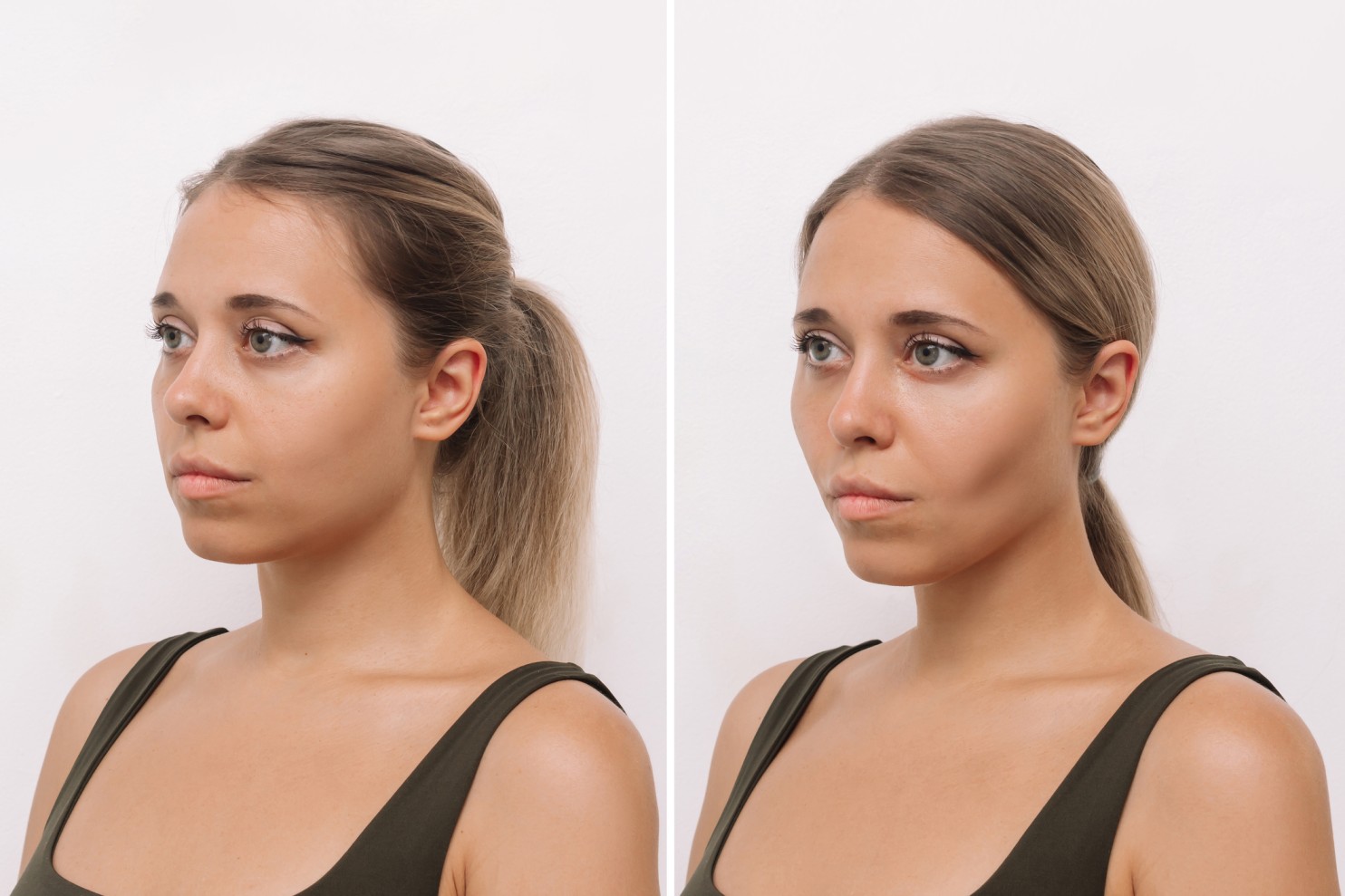
Buccal fat removal targets a deep fat compartment known as the buccal fat pad. This fat sits beneath the cheekbones and contributes to lower cheek fullness. Unlike surface fat, it does not significantly reduce with dieting or exercise. Removing it creates subtle contouring rather than dramatic slimming.
Why Removing the Wrong Fat Can Age Your Face
Facial fat plays an important role in maintaining a youthful appearance. Removing too much volume, especially in patients who already have moderate definition, can lead to hollowing or an overly sharp look. Over time, this may accentuate ageing rather than improve it.
Common Misconceptions in Singapore
Many patients associate a smaller face with better aesthetics. However, in clinical practice, balance and proportion are prioritised over excessive reduction. A natural contour is often more desirable than an aggressively slimmed face.
Buccal Fat vs Cheek Fat Removal – Key Differences
Deep vs Superficial Fat Compartments
Buccal fat removal focuses on deep fat pads, while cheek fat removal addresses superficial fat layers closer to the skin. These compartments behave differently and must be treated accordingly.
Midface vs Lower Face Volume
Cheek fat contributes to fullness in the midface, particularly around the smile lines. Buccal fat affects the lower cheek area. Misidentifying the source of fullness can result in suboptimal outcomes.
When Cheek Fat Removal Is More Suitable
Patients with midface heaviness or thicker superficial fat layers may benefit more from cheek fat reduction or tightening treatments rather than buccal fat removal.
How Doctors Assess Facial Volume Before Buccal Fat Removal
Step 1 – Facial Structure Analysis
Doctors evaluate bone structure, jawline definition, and chin projection. A strong underlying structure often requires minimal fat removal to achieve definition.
Step 2 – Fat Distribution Mapping
Rather than removing fat indiscriminately, doctors assess where fullness is concentrated and whether there is symmetry across the face.
Step 3 – Skin Quality and Elasticity
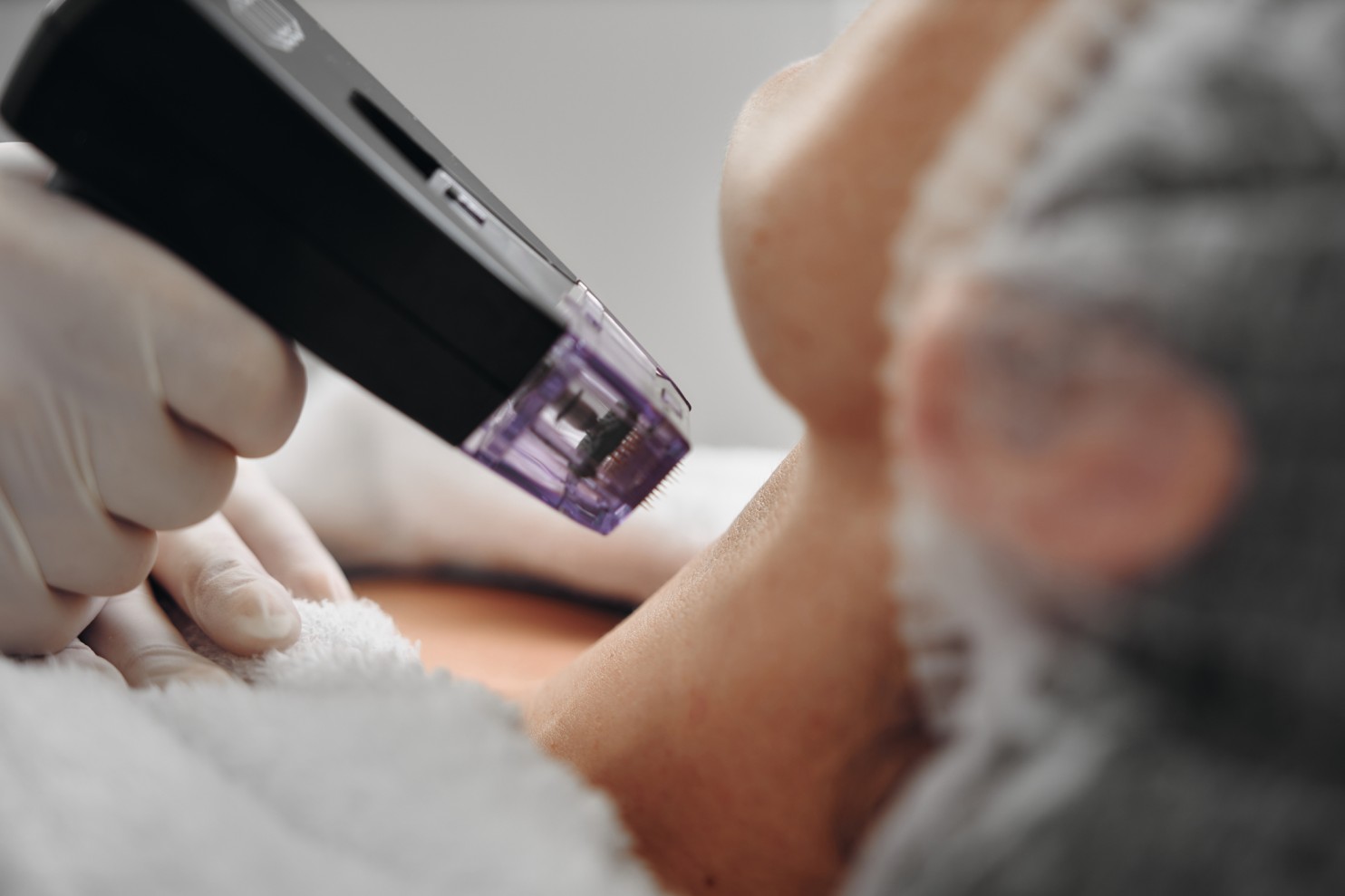
Skin laxity plays a major role in treatment planning. In cases where loose skin is present, tightening treatments such as Morpheus8 or thread lifting may be recommended instead of fat removal.
Step 4 – Age Considerations
Younger patients may benefit from selective fat removal, while older patients often require volume preservation or lifting to maintain facial harmony.
Step 5 – Dynamic Facial Movement
Doctors observe how the face moves during expressions. This ensures results remain natural when smiling or speaking, not just at rest.
Buccal Fat Removal vs Other Face Slimming Treatments
Buccal Fat Removal vs Double Chin Removal
These treatments target different areas. Buccal fat removal addresses the lower cheeks, while double chin treatments focus on the submental region beneath the chin.
Buccal Fat Removal vs Jowl Removal
Jowls are typically caused by sagging rather than excess fat. Treatments that lift or tighten the skin are more effective in these cases.
Buccal Fat Removal vs Skin Tightening Treatments
Technologies like Morpheus8 improve skin firmness and collagen production rather than removing fat. They are suitable for patients whose concern is laxity rather than volume.
When Doctors Recommend Alternatives Instead of Buccal Fat Removal
Patients With Skin Laxity
Removing fat in patients with loose skin can worsen sagging. Tightening or lifting treatments provide more balanced results.
Early Signs of Sagging
Patients with mild jowl formation often benefit from thread lifting rather than fat removal.
Subtle Contouring Needs
For patients seeking refinement rather than reduction, non-surgical treatments offer gradual, natural-looking improvements.
Treatment Decision Guide
| Concern | Recommended Approach |
| Full lower cheeks | Buccal fat removal |
| Midface fullness | Cheek fat removal |
| Sagging jawline | Thread lifting |
| Loose skin | Morpheus8 |
| Eye ageing concerns | Eyebag removal or upper eyelid lift |
What Patients Often Get Wrong About Face Slimming
Thinking All Facial Fat Is the Same
Different fat compartments serve different structural purposes. Treating them as one often leads to poor results.
Following Trends Instead of Anatomy
Social media trends rarely account for individual facial structure. What works for one face may not suit another.
Skipping Professional Assessment
Without proper evaluation, patients risk choosing treatments that do not address their actual concern.
A More Personalised Approach to Facial Contouring
Why Customisation Matters
Every face has unique proportions and ageing patterns. Treatment must be tailored accordingly to maintain harmony.
Combining Treatments for Balanced Results
In many cases, combining procedures produces better outcomes than relying on a single treatment approach.
Doctor-Led Planning
At A.D.S Clinic, treatment planning is guided by experienced doctors who prioritise long-term results and patient safety over short-term trends.
Frequently Asked Questions
Is buccal fat removal permanent?
Yes, the removed fat does not regenerate. However, natural ageing continues to affect facial volume.
Does buccal fat removal make you look older?
It can if performed excessively or on unsuitable candidates. Proper assessment helps prevent this.
What is the difference between cheek fat removal and buccal fat removal?
Cheek fat removal targets superficial fat, while buccal fat removal focuses on deeper fat compartments.
How do I know which treatment I need?
A professional consultation is necessary to evaluate facial structure, fat distribution, and skin condition.
Achieving Natural Facial Definition Starts With the Right Diagnosis
Facial contouring is not about removing as much fat as possible. It is about understanding structure, balance, and long-term ageing. While buccal fat removal can enhance definition in suitable patients, it must be carefully planned to avoid overcorrection.
A refined, natural-looking result comes from precise assessment and a personalised approach. At A.D.S Clinic, every treatment decision is guided by clinical expertise, ensuring outcomes that enhance rather than alter your natural features.